On the afternoon of September 28, 2022, Hurricane Ian came ashore near Cayo Costa, just west of Fort Myers, with sustained winds reported at 150 miles per hour. Storm surge took out whole sections of coast. Across Florida, more than two million customers lost power at the peak of the outage, and some southwest Florida neighborhoods waited weeks for the lights to return. A few miles inland, in a new town called Babcock Ranch, the streetlights stayed on and the fiber internet held.
Babcock Ranch is not a survivalist compound and it is not off the grid. It is a master-planned town on about 18,000 acres of a former cattle ranch in Charlotte County, developed by Kitson and Partners with an unusual founding rule: the energy system is not an afterthought. The town was laid out around a roughly 150-megawatt solar field, the Babcock Ranch Solar Energy Center, operated by Florida Power and Light with battery storage co-located. FPL sells the power into its system; the town buys what it needs like any other customer. The difference is what sits behind the meter and under the streets.
Built to get wet and stay lit
Walk the town and the engineering is the urban design. The land sits roughly 25 to 30 feet above sea level, high for the region. The streets are graded deliberately low, made to flood in a big rain and drain within about a day, while the lots and homesites sit higher. Retention ponds double as the wetland landscape. Buildings go up to Florida's post-Andrew code, with impact-rated windows. The power lines are buried, which is the single most boring and most important sentence in this story.
That combination is why Ian reads like a controlled experiment. The town took the same storm as Fort Myers Beach and Punta Gorda. The solar field kept producing through the weather, the storage rode out the cloud gaps, and the buried distribution network had no poles to snap. Contemporary reporting, from wire services to the local papers, carried the same detail: Babcock's lights stayed on, and the town spent the week after landfall hosting utility crews and displaced neighbors rather than asking for help.
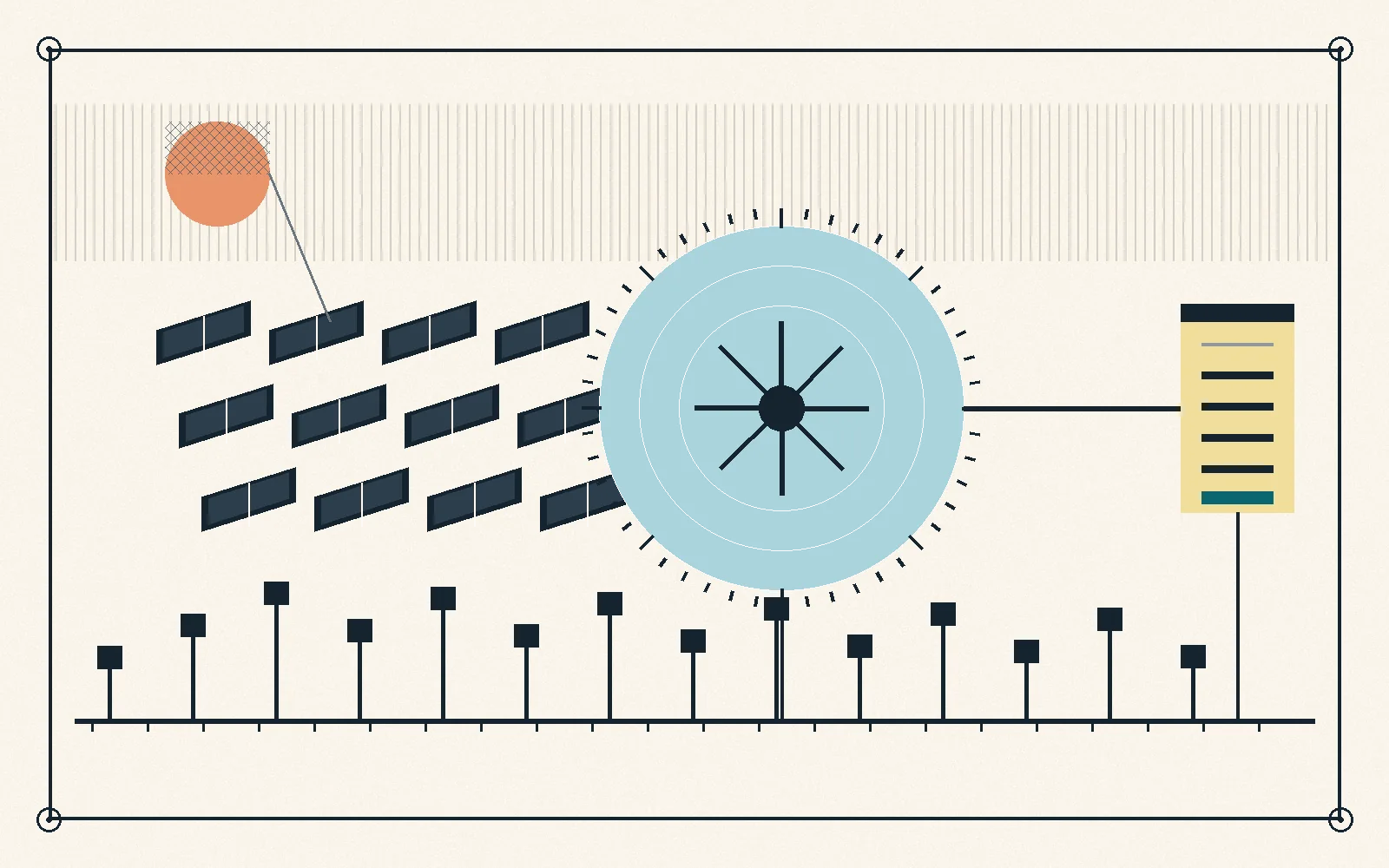
The grid held because the town was built around the grid: solar on the fence line, storage behind it, wires underground, water given somewhere honest to go. Our reading
The template spreads
Babcock Ranch is one developer's answer, and it should not be oversold. The town is small, it is inland, it is new, and its master plan, which calls for tens of thousands of homes at build-out, is still mostly ahead of it. Retrofitting Miami Beach or the Tampa peninsula is a different problem with different money. But the toolbox transfers: pair generation with storage, put the fragile infrastructure underground or behind walls, and treat stormwater as a design input rather than a lawsuit.
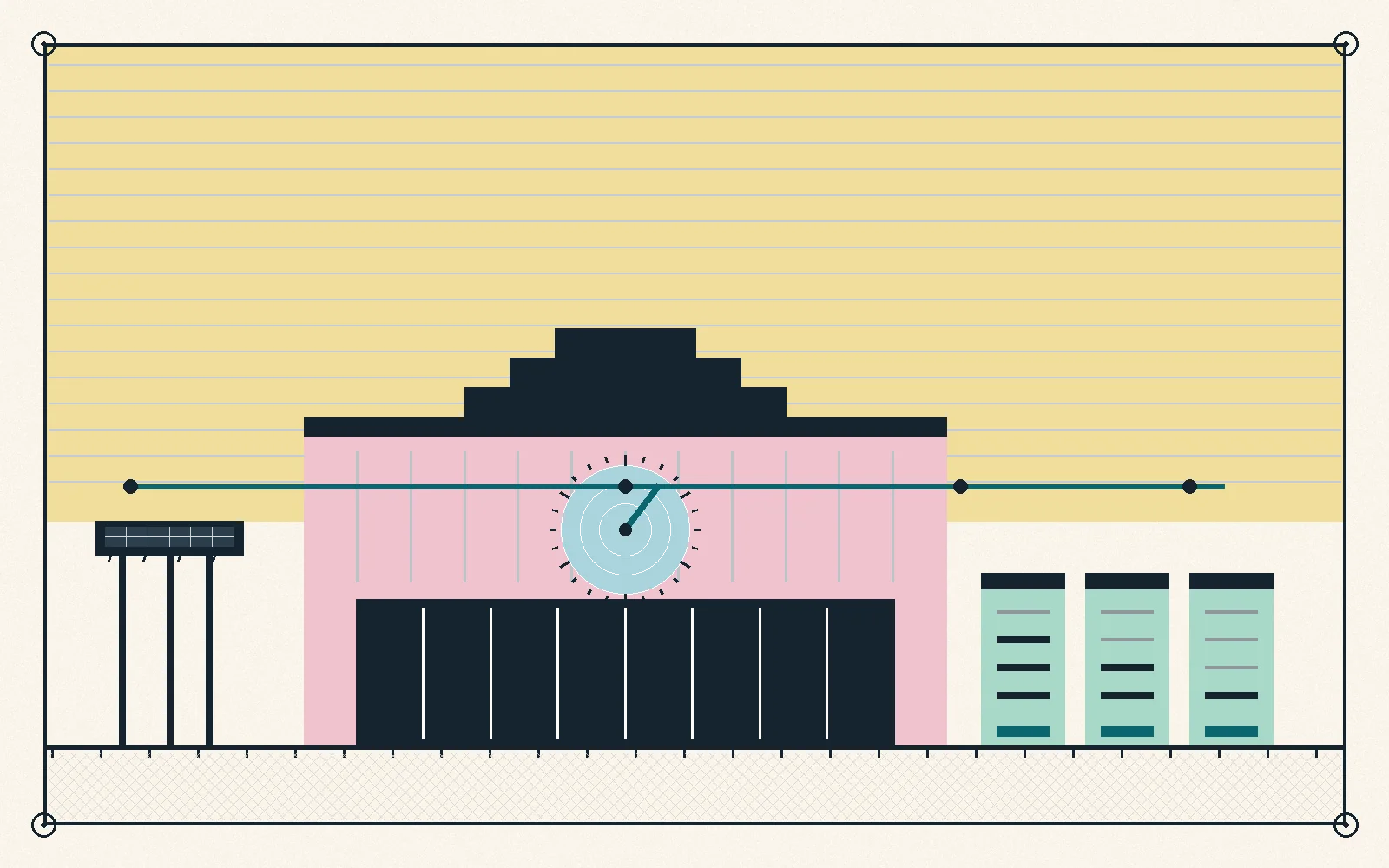
Florida has been quietly adopting pieces of that toolbox. The Manatee Energy Storage Center in Parrish, switched on in December 2021, pairs 409 megawatts with about 900 megawatt-hours, charged from an adjacent solar field; FPL called it the largest solar-powered battery in the world at commissioning. A growing number of public schools double as hurricane shelters, and the state has funded solar and storage at a share of them, so the shelter keeps its lights and its cooling when the feeder goes down. After Ian, interest in microgrid-backed shelters spiked, and the waiting lists for state resilience grants grew with it.
What we are watching
Three filings will decide how far the Babcock lesson travels. The commission's storm protection plan reviews set how much utilities may spend burying lines and hardening substations, and pass those costs to ratepayers. The net metering successor that took effect in 2024 trimmed the credit new rooftop customers get for exported power, and installers are watching what that does to demand. And every new utility battery needs a permit, a wetland review, and a neighborhood hearing, which is where the next decade of Florida storage will actually be decided.
The takeaway for today: the state that gets hit hardest has started building for the hit. The question on the board is no longer whether solar and storage belong in a hurricane plan. It is whether the plan can move faster than the water.